
Expanders
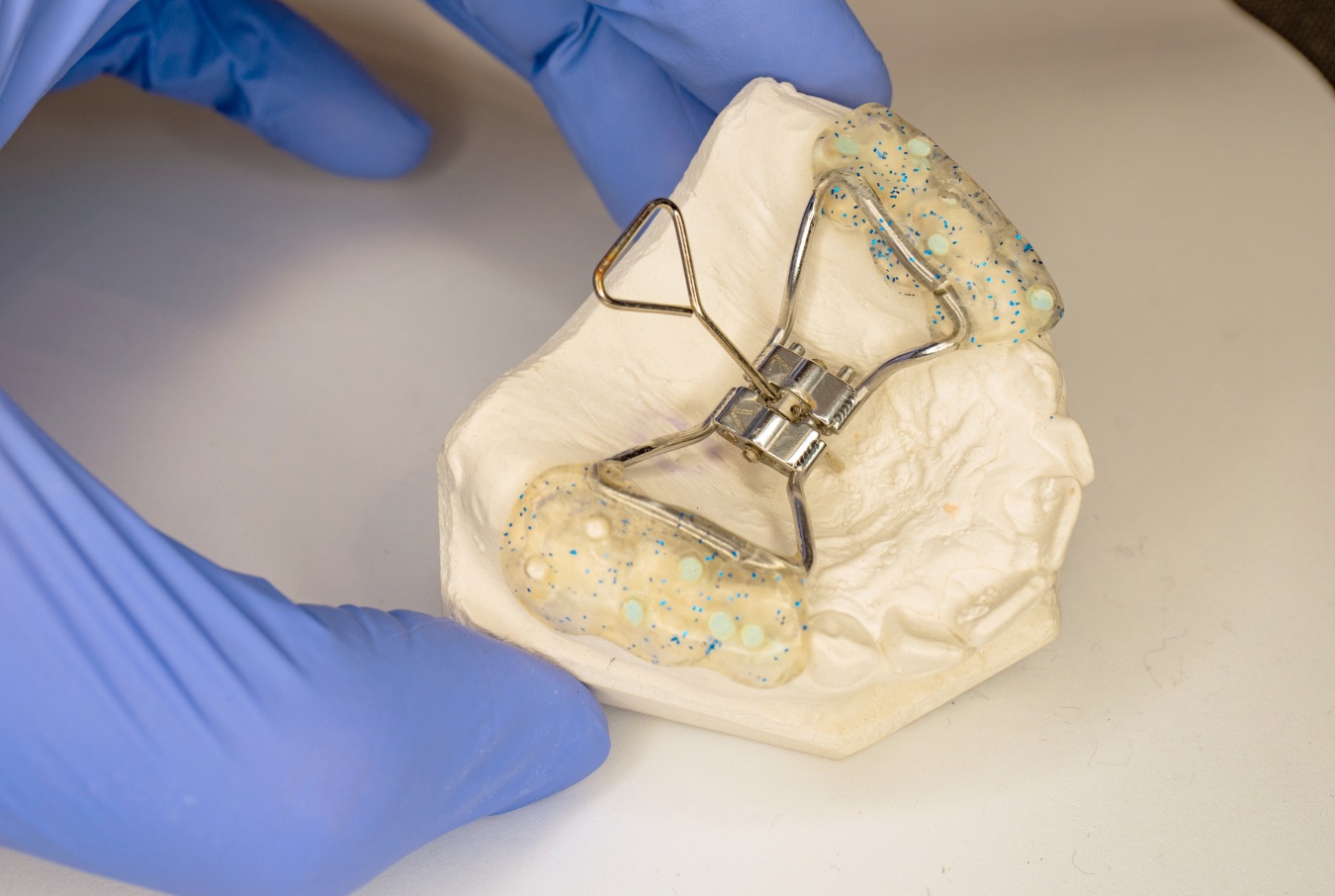
Some smiles just need more room to work with. A palatal expander widens the upper jaw gradually, using gentle, steady pressure to create space for crowded or incoming teeth and correct a narrow bite before it becomes a bigger problem.
Expanders work best while a child’s jaw is still developing, which is why they’re most common in younger patients. Creating that space early can mean avoiding extractions later, and it can set up a much simpler path for whatever treatment comes next.
The device itself sits along the roof of the mouth and is adjusted at home on a simple schedule we’ll walk you through. It’s not glamorous, but it does real, structural work — and most kids adjust to it faster than parents expect.
Expansion can also do more than make room for teeth. A narrow upper jaw is sometimes tied to how a child breathes, and widening it can open up space that makes nasal breathing easier. If your child snores, breathes through their mouth, or has been evaluated for airway concerns, it’s worth bringing up at your consultation — expansion may be part of that bigger picture.
TADs
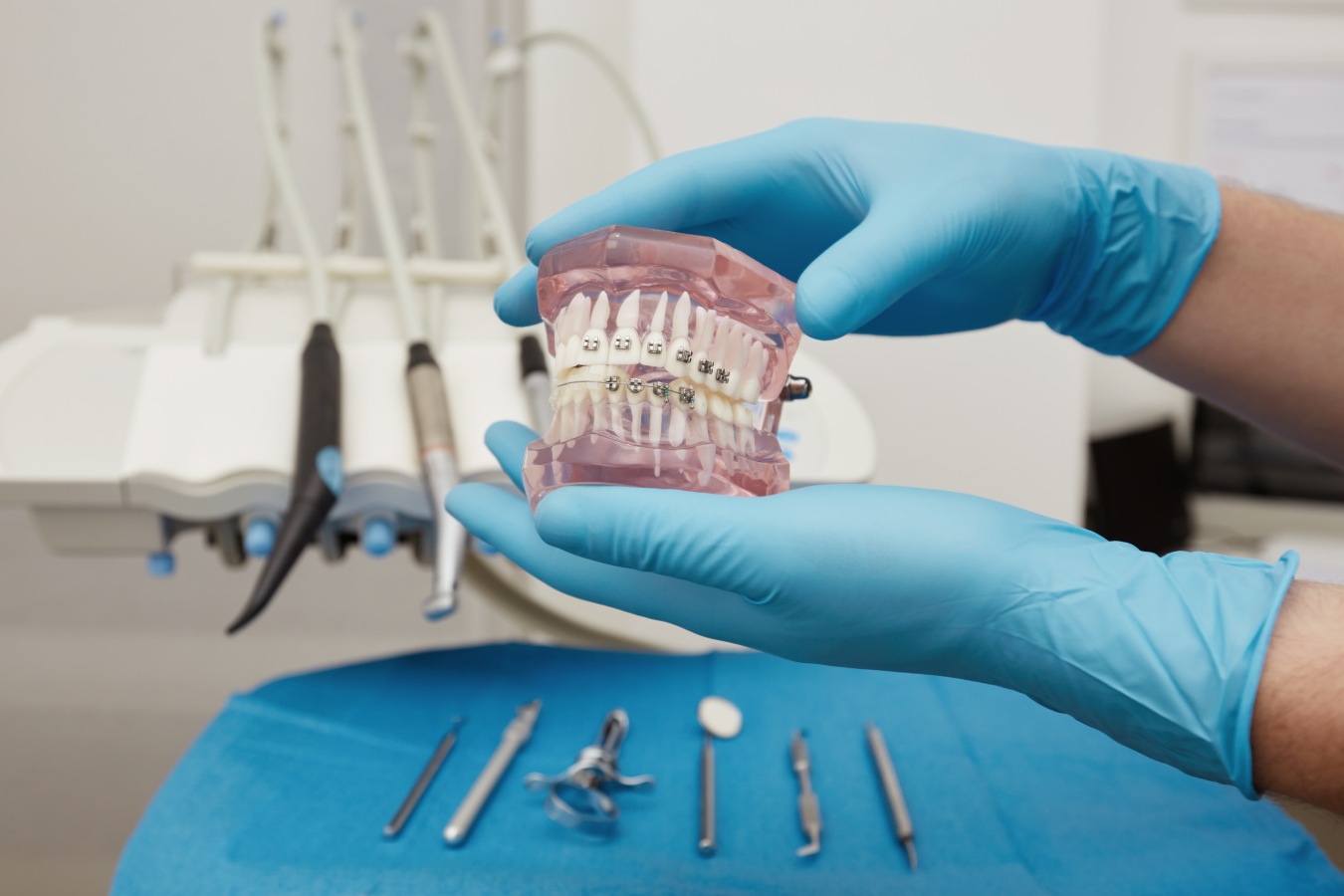
TADs — temporary anchorage devices — are small, precise anchors that give Dr. Zegarowski a fixed point to move teeth against when a case needs more control than teeth alone can provide. Think of them as a temporary reference point, placed exactly where it’s needed and removed once it’s done its job.
They open the door to movements that would otherwise be difficult or impossible with braces or aligners alone — closing a stubborn gap, adjusting a bite without surgery, or holding a tooth in place while others move around it.
Placement is quick, and most patients describe it as far less involved than they expected. TADs aren’t part of every treatment plan, but when a case calls for one, they can make the difference between a good result and a great one.
Because a TAD doesn’t rely on your teeth to hold it in place, it lets us apply force in directions and amounts that would otherwise shift the wrong teeth or undo other progress. For cases with a tricky bite correction or a tooth that’s proven stubborn, that extra bit of control is often exactly what closes the gap between a plan on paper and the result in the mirror.
MARPE
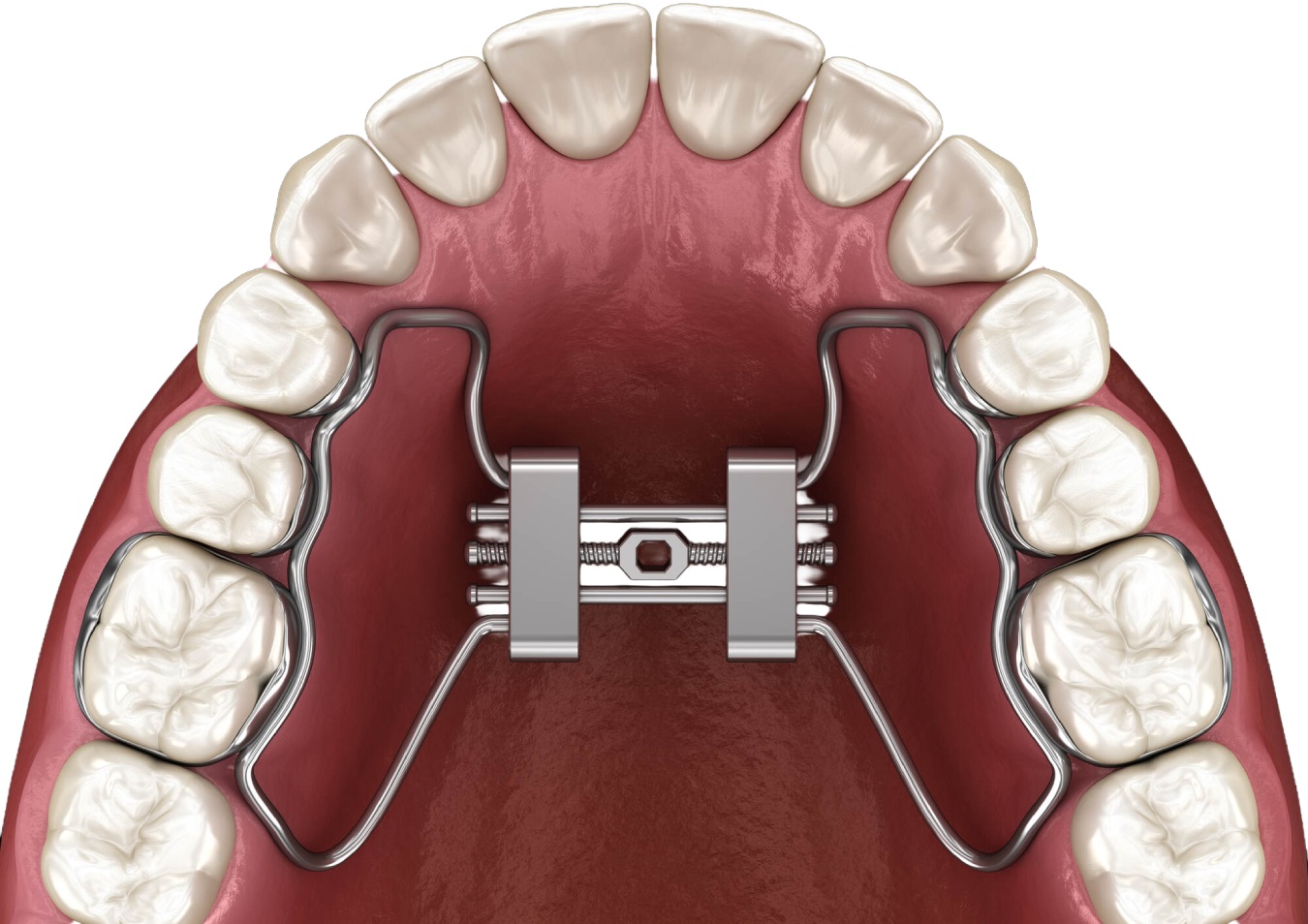
MARPE — micro-implant-assisted rapid palatal expansion — is a more advanced version of jaw expansion, built for patients whose jaw has matured past the point where a standard expander would work. It uses a small number of mini-implants anchored directly into the palate to widen the upper jaw non-surgically, in cases that might otherwise require surgery.
This option comes up most often for older teens and adults with a narrow upper jaw, a crossbite, or breathing concerns tied to limited airway space. Because the implants anchor directly into bone rather than relying on the teeth, the expansion is more targeted and effective at an age when the jaw is no longer easily reshaped.
MARPE is a more involved treatment, and it’s not the right fit for every case. Dr. Zegarowski will walk you through whether you’re a candidate, what to expect from the process, and how it fits into your broader treatment plan.
The appeal for most patients considering MARPE is what it lets them avoid. Traditional surgical expansion involves a hospital procedure and a longer recovery. MARPE accomplishes a similar goal through a much less invasive process, done right here, with a recovery that fits into daily life far more easily.

Gummy Smile Treatment
A smile that shows more gum than tooth isn’t just cosmetic — it’s often about how your teeth and jaw relate to each other, and it’s something orthodontics can genuinely improve. In many cases, gently repositioning the teeth vertically can bring your gum line into better proportion with your smile, without surgery.
Every gummy smile is a little different, which is why treatment starts with figuring out what’s actually driving it — the position of the teeth, the growth of the jaw, or the shape of the gum tissue itself. That’s what determines whether orthodontic treatment alone gets you there, or whether it makes sense alongside another provider.
Wherever the answer lands, it starts with an honest look at your case. We’ll tell you what’s realistic, what it would take, and what result you can actually expect — not just what sounds good.
For patients whose gummy smile is rooted in tooth position, treatment often looks a lot like a typical course of braces or aligners, just with a different goal guiding the plan — intruding the front teeth slightly rather than just straightening them. It’s a subtle shift with a visible payoff, and it’s one more example of orthodontics doing more than most people expect.

Jaw Surgery Coordination
When surgery is part of your treatment plan, it’s never a solo act. Dr. Zegarowski works directly with an oral and maxillofacial surgeon throughout the entire process, and that coordination is what makes the surgical result stable, functional, and built to last.
Before surgery even happens, your orthodontic and surgical teams are already in conversation — reviewing your records together, planning the exact repositioning the surgery will achieve, and making sure your teeth are prepared to land in the right place once the jaw moves. Nothing is handed off; it’s planned together from the start.
After surgery, that coordination continues. Your bite needs fine-tuning, healing needs to be monitored, and your orthodontic treatment needs to adjust based on exactly how things settled. Having a team that’s been talking the whole way through makes that phase faster and far less stressful than it would be if two providers were working from separate playbooks.
If jaw surgery comes up as part of your plan, you’ll never be left wondering who’s in charge of what. Dr. Zegarowski manages that coordination personally, so you have one clear point of contact through a process that can otherwise feel like a lot of moving pieces.
Surgical Orthodontics
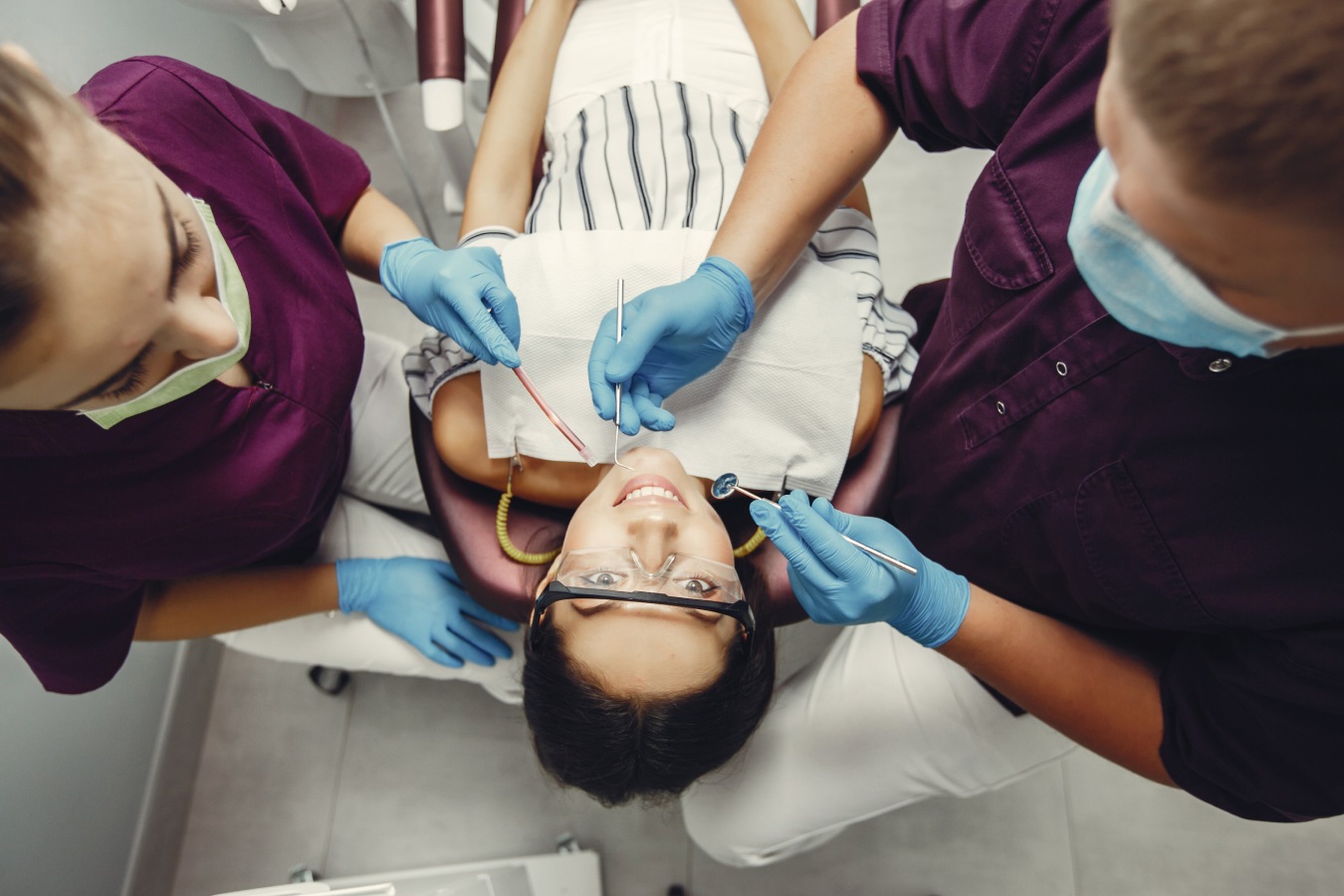
Some bites can’t be fully corrected by moving teeth alone — sometimes the jaws themselves are misaligned, not just the teeth sitting on them. When that’s the case, orthodontics and jaw surgery work together, with braces or aligners doing the groundwork before and after a surgeon makes the skeletal correction.
The process happens in stages. First comes pre-surgical orthodontics, which aligns the teeth within each jaw so they’re positioned exactly where the surgeon needs them for the procedure to work. Then comes the surgery itself, repositioning the jaw into proper alignment. After that, post-surgical orthodontics fine-tunes the bite and locks in the result once everything has settled into its new position.
It’s a longer road than typical treatment, and it’s not one you’d take for a minor issue. But for patients who’ve spent years dealing with a bite that never quite worked — jaw discomfort, trouble chewing, a profile they’ve felt self-conscious about — it’s often the only path that actually gets to the root of it.
Dr. Zegarowski will walk you through every stage before you commit to anything, so you know exactly what the process involves, how long it takes, and what to expect at each step along the way.
Sportguards
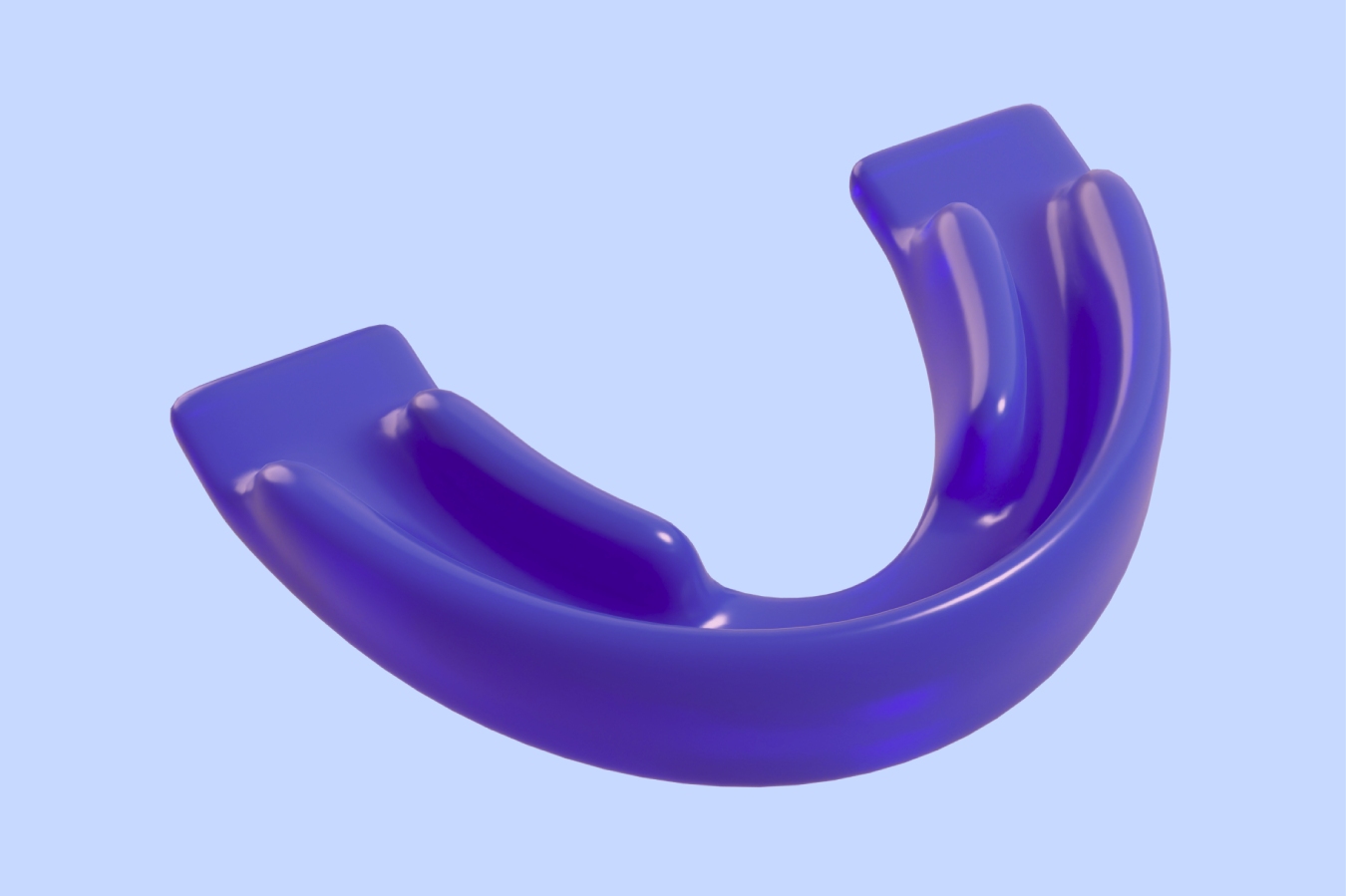
If you or your kid play a contact sport, a properly fitted mouthguard isn’t optional gear — it’s real protection, especially mid-treatment when braces or aligners are in the mix. A generic guard from a sporting goods store isn’t built with orthodontic appliances in mind, and it can shift, gap, or fail exactly when it’s needed most.
A custom sportguard is molded to fit your mouth and your treatment, so it stays in place, doesn’t interfere with breathing or talking on the field, and actually does its job if there’s contact. For anyone in braces, it also protects your brackets and wires from a hit that could otherwise mean an unplanned repair visit.
We’ll take a quick scan or impression, and the guard comes back built specifically for your mouth at whatever stage of treatment you’re in — which matters, since your bite and tooth positions are shifting throughout the process. As your treatment progresses, we can talk through whether it’s time for an updated one.
It’s a small step that protects a much bigger investment — your smile, your treatment timeline, and yes, your teeth if things get physical out there.
Retainers
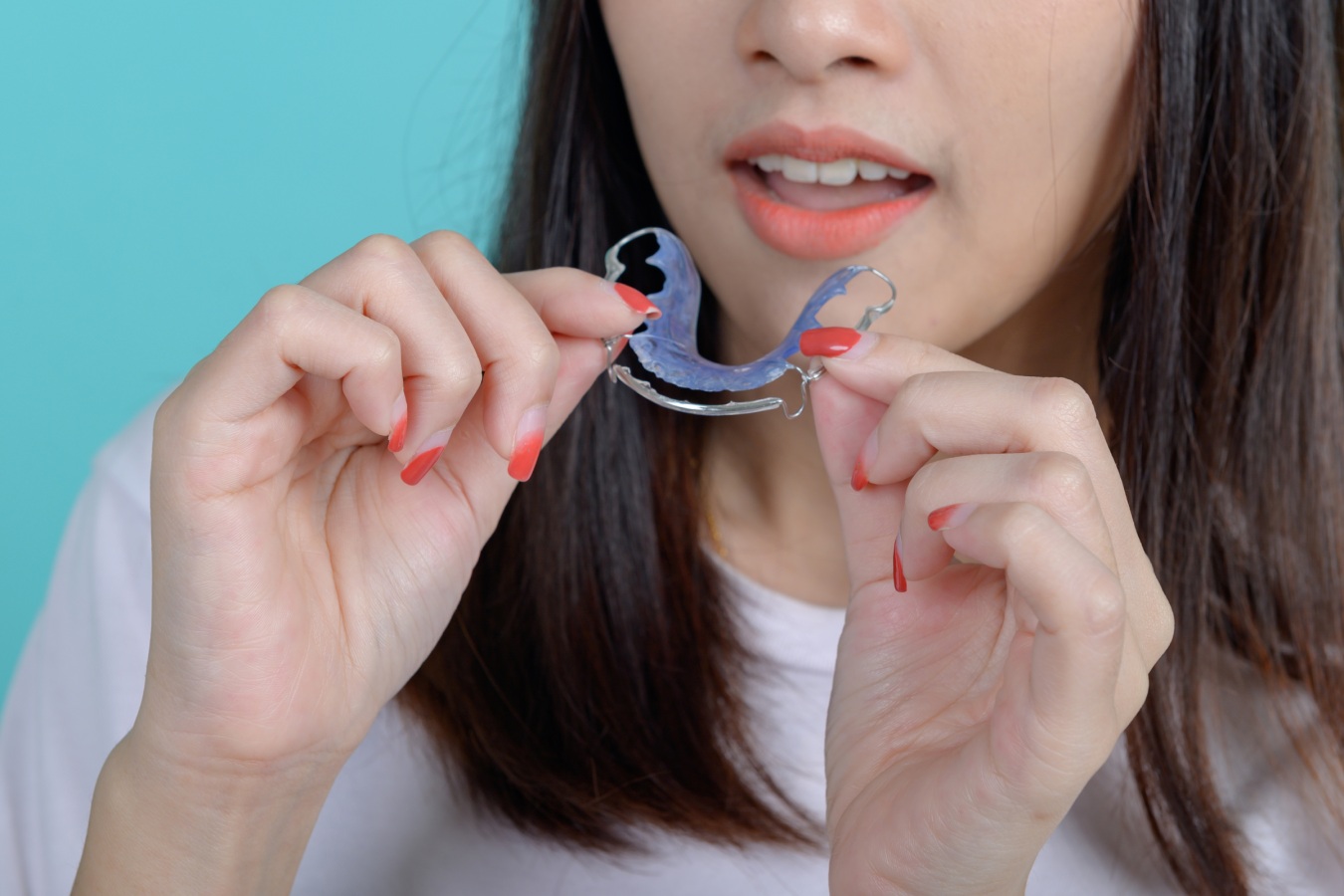
Retainers are the last stretch of treatment, and they’re just as important as everything before them. Teeth have a natural instinct to drift back toward where they started — something called relapse — and a retainer is the only thing standing between your finished smile and that slow slide backward.
We offer both removable and fixed retainers, and which one makes sense depends on your case, your habits, and what you and Dr. Zegarowski land on together. Removable retainers are usually worn full-time right after treatment, then eased back to nights only once your teeth have settled. Fixed retainers are bonded to the back of your teeth — most often the lower front ones — and hold everything in place quietly, without asking anything of you day to day.
Whichever route fits you, the deal is simple: what you finish treatment with is only as permanent as your commitment to wearing what comes next. It’s a small ask compared to what it protects.
And if you finished treatment somewhere else and just need a replacement, a repair, or a check-in on how things are holding — we’re happy to help with that too. Retention is a long-term habit, not a one-time appointment, and we treat it that way.