
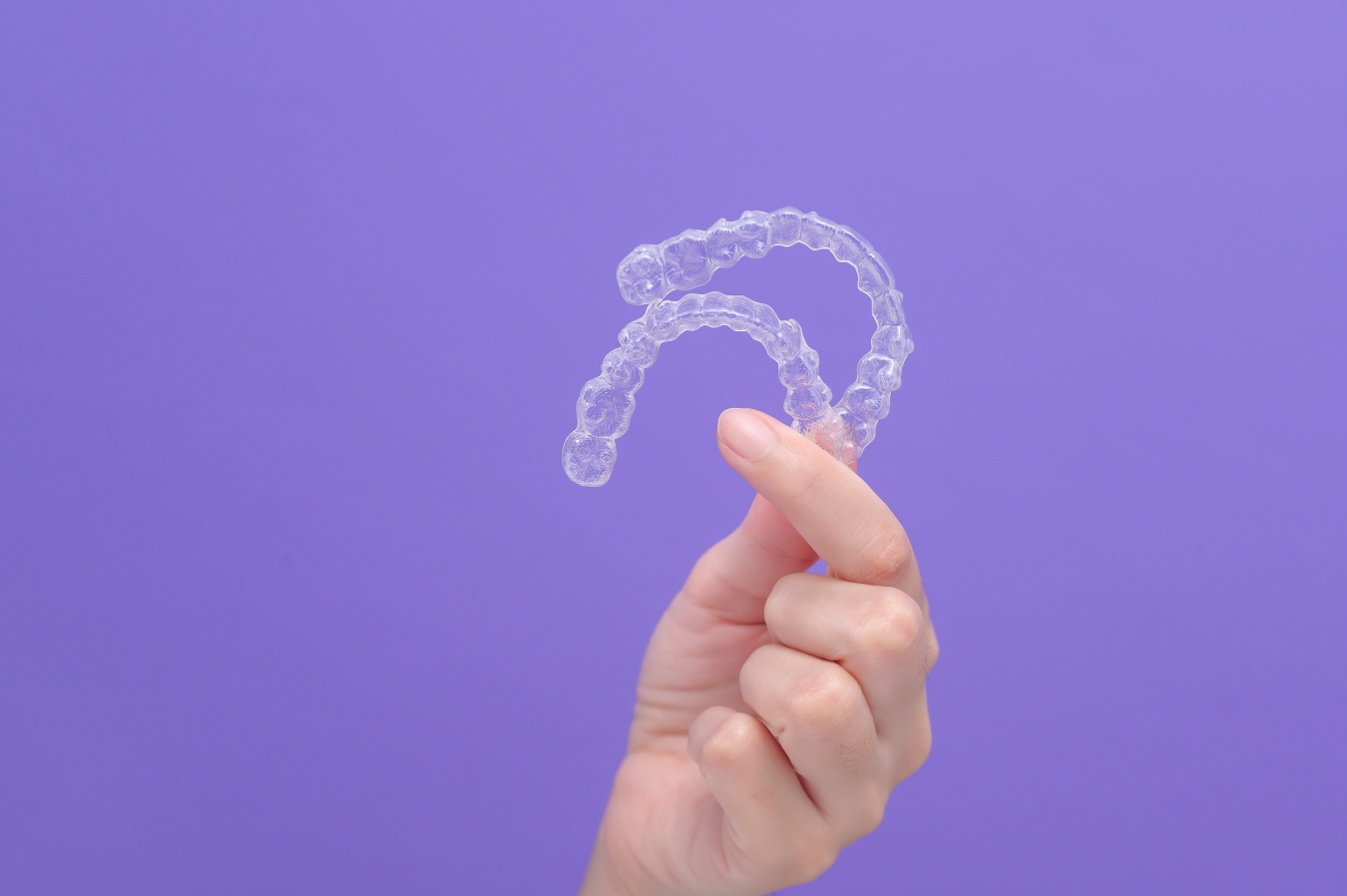
What Makes Invisalign a Popular Choice for Straighter Smiles?
Invisalign keeps gaining ground because it fits real life. The aligners are clear, removable, and built around your schedule, not the other way around. Below, we’ll walk through how it works, what it costs, and whether it’s the right fit for you, with straight answers from the team at Vibe Orthodontics. Ready to see if clear aligners fit your smile? Learn more about Invisalign in Portland, OR.
What Is Invisalign?
Invisalign is a clear aligner system that straightens teeth using a series of custom, BPA-free thermoplastic trays instead of metal brackets and wires. It’s FDA-cleared and has been used by millions of people since the late 1990s, treating common issues like crowding, gaps, overbite, underbite, and crossbite. You swap trays every one to two weeks as your teeth shift.
Each set of aligners is molded to your teeth from a digital scan, so the fit is precise from day one. Because they’re nearly invisible and fully removable, most people around you won’t notice you’re wearing them. You take them out to eat, brush, and floss, then pop them back in.
That makes the system a flexible option for adults, working professionals, and teens who want a quieter way to straighten their smile. It’s not a one-size-fits-all product. It’s an approach that gets shaped around your specific bite, your goals, and your timeline.
How Does Invisalign Work?
Treatment works through a series of custom clear aligners that apply gentle, steady pressure to move your teeth into position. It starts with a 3D digital scan that maps your bite and builds your plan. You wear each aligner 20 to 22 hours a day, switch to the next set every one to two weeks, and check in with us periodically so we can confirm progress.
Here’s what the process looks like in practice:
- Digital scan and plan. We use an intraoral scanner, no goopy impressions, to capture your teeth in detail. From there, we map out every stage of movement digitally.
- Preview your result. Before you start, you’ll see a simulation of where your teeth are headed.
- Wear your aligners. Trays go in for 20 to 22 hours a day. You’ll only remove them for meals, drinks other than water, brushing, and flossing.
- Switch sets on schedule. Every one to two weeks, you’ll move to the next aligner in the series.
- Check in with us. Quick visits let us confirm everything is tracking. Small tooth-colored attachments may be added to help guide certain movements.
Most plans wrap with refinements, a short series of final aligners to polish the result. Then it’s retainers to lock it in.
What Are the Benefits of Invisalign?
Clear aligners offer a quieter, more flexible way to straighten teeth, and the benefits go beyond looks. The trays are nearly invisible, fully removable, easier to clean around, and gentler on your mouth than metal hardware. For the right candidate, they fit work and social life with very little disruption. Here’s what stands out.
Why Do So Many Adults and Teens Choose Invisalign?
- Nearly invisible. The trays are clear and slim, which is why so many adults and teens choose them. Photos, meetings, dates, presentations: none of it changes.
- Removable. You take them out to eat, so no food restrictions. Popcorn, steak, apples, all still on the menu.
- Easier hygiene. Brushing and flossing happen the way they always have. No threading floss under wires.
- More comfortable. Smooth plastic edges are gentler on cheeks and lips than metal hardware, so you spend less time dealing with irritation.
What Makes Day-to-Day Life Easier With Aligners?
- Fewer surprise visits. No broken brackets or poking wires means fewer emergency stops at the studio, which keeps your schedule clear.
- Digital previews. You can see your projected result before you start, so you know what you’re working toward from the very first visit.
- Built around your schedule. Check-ins are quick and spaced out, which works well for busy people who can’t sit in a chair every few weeks.
Good hands, good vibes. That’s the goal with every plan we build, and clear aligners tend to fit that promise well for the right candidate. When the case is a match, the experience feels light and low-stress from start to finish.
Invisalign vs. Traditional Braces and Other Aligners
Clear aligners aren’t the only path to a straighter smile, and they aren’t always the best one. The right choice depends on your case, your lifestyle, and what you want out of treatment. Here’s how the main options compare:
| Feature | Invisalign | Traditional Metal Braces | Ceramic Braces |
|---|---|---|---|
| Visibility | Nearly invisible | Most visible | Subtle, tooth-colored |
| Removable | Yes | No | No |
| Food restrictions | None | Several | Several |
| Comfort | Smooth plastic | Some bracket/wire irritation | Some bracket/wire irritation |
| Cleaning | Easy, normal routine | Requires extra tools | Requires extra tools |
| Best for | Mild to moderate cases | Most cases, including complex | Most cases, more discreet |
| Visit frequency | Periodic check-ins | Every 4-8 weeks | Every 4-8 weeks |
A few things worth knowing:
- Metal and ceramic braces still handle the most complex bite work, especially cases involving significant rotations, impacted teeth, or major skeletal corrections.
- Clear aligners use a proprietary SmartTrack material designed for predictable, gradual movement, which is why outcomes have improved a lot since the early years.
- Other clear aligner brands exist, but they vary widely in planning quality and provider oversight. Invisalign’s track record and refinement system are part of why we recommend it.
At Vibe Orthodontics, we offer braces, ceramic braces, and Invisalign, so the conversation starts with what’s right for you, not what we want to sell.
What Affects the Cost of Invisalign?
Pricing varies based on case complexity, number of aligners needed, total treatment length, and any refinements added along the way. Dental insurance and payment plans typically lower what you pay out of pocket. At your first visit, we give you a clear quote, no vague ranges, no surprises later.
A few factors that move the number up or down:
- Case complexity. Mild spacing fixes need fewer aligners than full-bite corrections.
- Treatment length. Shorter plans generally cost less than longer ones.
- Refinements. Most plans include them; some complex cases need additional rounds.
- Insurance benefits. We work with most plans, and our team helps you understand what your coverage applies toward treatment.
- Payment flexibility. We offer low down payment options and autopay so the monthly number fits your budget.
Provider experience and technology matter too. A well-planned case with the right tools tends to finish on time and on budget, which is part of the value of working with a board-certified orthodontist. The clearer your plan is up front, the fewer financial surprises you’ll run into as treatment moves along. We’d rather you know the full picture before you commit than discover hidden costs halfway through.
Are You a Good Candidate for Invisalign?
Most people with mild to moderate crowding, spacing, or bite issues are strong candidates for clear aligners. Teens and adults with good oral hygiene tend to do especially well, as long as they can commit to wearing the aligners 20 to 22 hours a day. A first visit is the fastest way to know for sure.
You’re likely a good fit if:
- You have mild to moderate crowding, gaps, or bite concerns
- Your oral health is in good shape, no untreated cavities or active gum disease
- You’re ready to wear aligners 20-22 hours daily and switch sets on schedule
- You want a discreet, removable option that fits your work and social life
Clear aligners may not be the best path if:
- You have a complex skeletal issue that needs braces, TADs, or MARPE
- You have severely rotated or impacted teeth
- You’re not able to commit to consistent wear time
We’ll be straight with you at your first visit. If Invisalign is the right tool, great. If braces would get you a better result, we’ll say so. Built around you, not a template.
Frequently Asked Questions About Invisalign
How long does Invisalign take?
Most plans run 6 to 18 months, depending on how much movement is needed. Mild spacing or minor crowding can finish on the shorter end. Full-bite work takes longer. At your first visit, we’ll give you a real timeline based on your scan, not a guess.
Does Invisalign hurt?
You’ll feel mild pressure for the first day or two of each new aligner set. That’s the trays doing their job, gently shifting your teeth. It usually fades quickly, and most people find the experience more comfortable than metal braces because there are no brackets or wires to irritate your cheeks.
Can I eat with Invisalign?
Yes, and there are no food restrictions. You take the aligners out to eat or drink anything other than water, then brush or rinse before putting them back in. That’s part of the appeal for so many people, no giving up popcorn, bagels, or coffee dates.
How much does Invisalign cost?
Cost depends on your case complexity, the number of aligners you need, and how long treatment runs. Insurance and payment plans usually lower your out-of-pocket total. At your first visit, you’ll get a clear quote with no vague ranges, so you know exactly what to plan for.
How do I clean my aligners?
Rinse them with cool water every time you take them out, and brush them gently with a soft toothbrush and a small amount of clear, unscented soap. Skip toothpaste, it can scratch the plastic. Avoid hot water, which can warp the trays.
Will Invisalign affect my speech?
You might notice a slight lisp for the first few days as your tongue adjusts to the trays. It fades quickly for most people, usually within a week. Reading out loud or talking through it speeds things up. If you’re considering clear aligners, the next step is a first visit with Dr. Brandon Zegarowski, DDS, MS, our board-certified orthodontist. That training shapes every plan we build, and you’ll get a clear scan, an honest answer about whether Invisalign is right for you, and a real quote with no pressure. Our bilingual team is here to help in English and Spanish. Everything is going to work out.